


I start every consultation with one question:
How are you feeling about the process so far? If you’ve already had a call with me, you know this is 100% true. Nine out of ten couples give me the same one-word answer, overwhelmed.
And that’s because there’s a clear disconnect between what couples think they should be doing and what they’re actually doing.
They’re calling hotels, comparing rates online, and researching dozens of resorts, often realizing later they’ve looked at the same property three or four times without even noticing.
I consult with couples daily, and nine out of ten of them are confused, overwhelmed, and unsure what a room block actually is how it works, why it matters, and frankly, what we even do in this part of the planning process.
If you’re still early in the planning process and deciding whether working with a travel expert makes sense, you may also find our guide on planning a destination wedding and starting with a travel agent helpful.
Truthfully, this is probably one of the most dreaded parts of wedding planning: dealing with guest accommodations and hotel contracts.
For many couples, the idea of signing a room block contract can feel intimidating at first. But once you understand how it actually works, it’s far simpler than most people expect.
They start planning a destination wedding. They fall in love with a beautiful adults-only resort in Jamaica. Maybe it’s Breathless Montego Bay and it checks every box. They choose their date.
Then their wedding coordinator asks about their room block.
And suddenly everything feels unclear.
Do we have to sign something?
Are we financially responsible? What happens if guests don’t book? Is this a contract? Why is there a deposit?
If the idea of a destination wedding room block feels intimidating, you’re not alone. Many couples planning a destination wedding worry that a room block means they are financially responsible for unused rooms. In reality, that’s rarely how properly structured room blocks work.
Whether you’re planning in Cancun, Punta Cana, Montego Bay, or anywhere in the Caribbean, understanding both your room block and your legal marriage requirements is essential.
A destination wedding room block is a contracted group of rooms reserved at a discounted rate for your wedding guests at your chosen resort.
Lets break down exactly how it works and why it’s designed to protect you, not trap you.-
Why Resorts Created Destination Wedding Room Blocks
To create fear and trap you into a contract… forever.
Not.
Room blocks were created to make sure that when you’re planning your destination wedding, your guests actually have a place to stay.
They protect your inventory from a corporate group buying 100 rooms.
They protect you from another destination wedding group with overlapping travel dates.
Exist to manage inventory.
That’s it.
Resorts need a structured way to hold rooms for large groups arriving at the same time. A room block ensures your rooms are reserved, your rates are protected, and your group isn’t competing with the public market.
It’s not a trap.
It’s protection.
And when a resort knows how many rooms your group is expected to produce, they can attach value to it. That’s where wedding perks come from.
- Complimentary rooms
- Private event credits
- Resort concessions
- Room upgrades
Most major all-inclusive resort brands structure their wedding rewards around confirmed room production within contracted group agreements.
For example, Hyatt Inclusive Collection’s “Big Wedding, Big Rewards” program publicly outlines how wedding perks increase as confirmed room production increases within a contracted group.
Those benefits aren’t random. They’re calculated based on confirmed room production within your block.
Without a room block, there’s no production to measure and therefore no concessions to attach.
That’s the part most couples don’t realize.
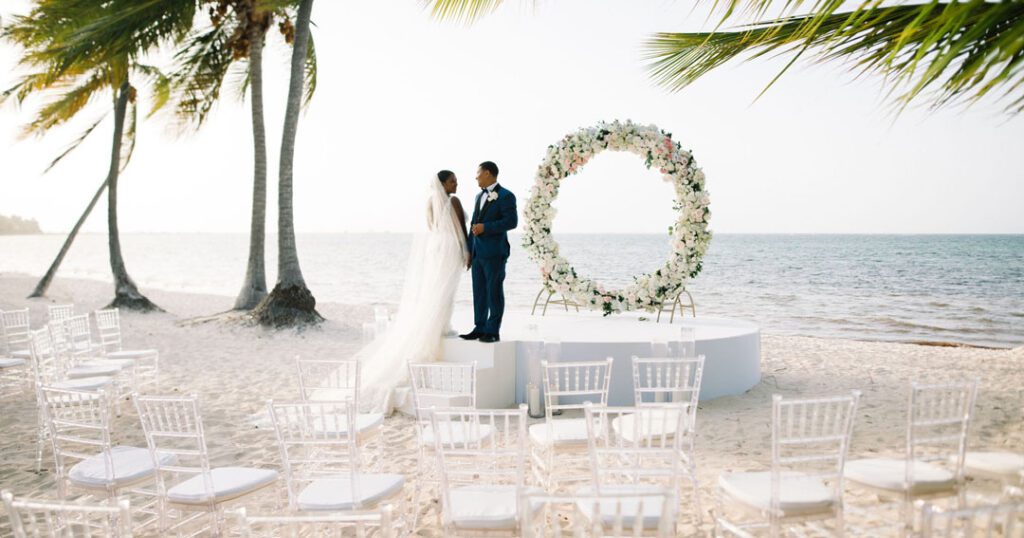
How Destination Wedding Room Blocks Work
Think of your room block as a protected bubble holding the rooms you expect your guests to book.
Those rooms live inside that bubble until each individual guest removes one by booking within your block.
Behind the scenes, we design a room block flow that combines room categories and creates a dedicated inventory bubble for your group.
If our room block flow starts with 20 rooms, every time a guest books, one room comes out of the bubble.
You go from 20 rooms held to 19 held and 1 confirmed. As bookings continue, the bubble gets smaller.
Each guest keeps their own reservation, including dates, room category, and special requests, while everything links back to your group contract.
If your block fills faster than expected, you can request additional inventory.
If your guests finish booking and rooms remain in the bubble, you can release them back to the resort.
When you structure it correctly, you can release unused inventory without penalty.
Your room block typically covers
- A defined travel window (several days before and after the wedding)
- Multiple room categories
- Locked-in group rates usually discounted from public pricing
- Access to concessions tied to room production
Once you approve the rates and concessions, the contract outlines:
- The number of rooms your group holds.
- Travel dates covered
- Group rate
- Deposit required
- Booking deadlines
- Attrition terms
A deposit secures the inventory and activates the group contract.
With ODW, you typically pay a flat $500 room block deposit toward your stay, which is much lower than agencies that require per-room deposits or percentage-based holds.
From there, guests book within your block using your custom booking link or directly through your travel team. As guests make reservations, we track room production against your contracted inventory.
Are You Financially Responsible for Unused Rooms?
This is the question almost every couple asks.
And here’s the reality:
When you structure and manage your room block correctly, you won’t pay for unbooked rooms.
The key is building your room block contract correctly from the start and managing it throughout the process.
- We don’t over-contract inventory.
- We don’t guess at guest counts.
- We don’t let deadlines pass unnoticed.
We consistently monitor your room block and adjust inventory as bookings come in.
If booking pace shifts, we pivot. If you need to release rooms, we handle it according to the contract guidelines.
We don’t sign contracts and disappear.
We actively manage the agreement.
Couples run into liability when room blocks are oversized, unmanaged, or ignored until deadlines approach.
That is not how we operate.
When structured strategically, your room block protects your guests, your rates, and your perks without creating financial exposure.
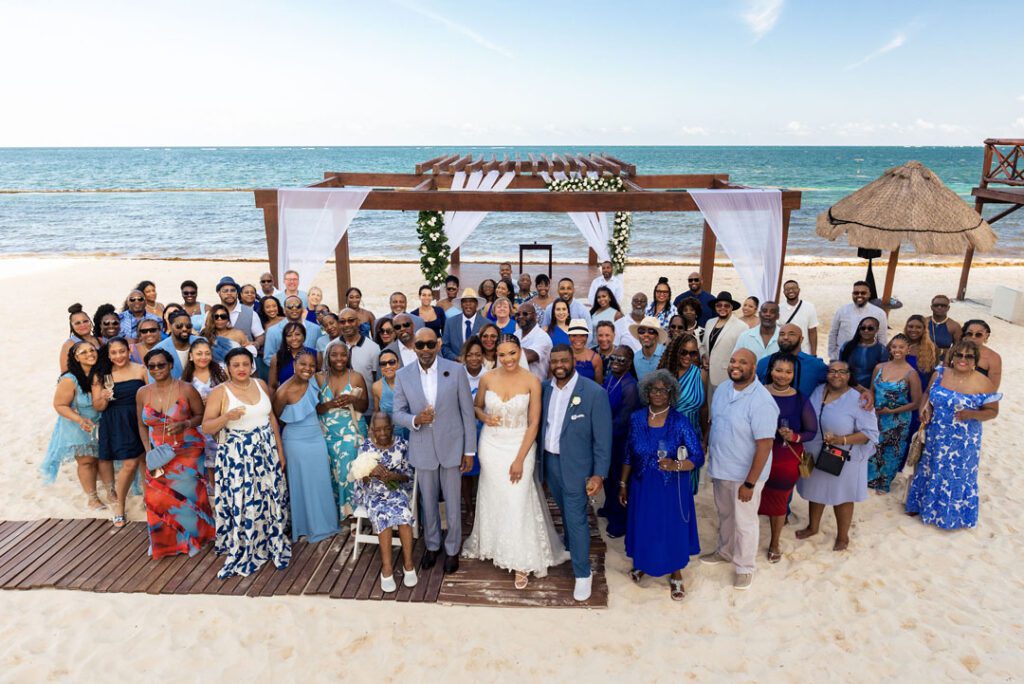
How Deposits Actually Work (And Why Ours Is Different)
Now that we understand what a room block is and why it exists, let’s talk about the part that makes couples nervous: the deposit.
For years, the industry standard required couples to put down deposits per room — often $100 per room, sometimes more to secure their group inventory. For larger weddings, that could mean thousands of dollars upfront before a single guest had booked.
We saw that this created unnecessary stress.
So we structured it differently.
With ODW, your room block deposit is typically a flat $500 to secure your contracted inventory. That deposit is applied toward the cost of your own stay.
Each guest is responsible for their own room and their own deposit.
- You are not advancing funds on behalf of your guests.
- You are not financially carrying their reservations.
We built our structure intentionally to remove that pressure while still protecting your rates, inventory, and concessions.
It’s not a promotion.
It’s a smarter system.
What Happens If You Don’t Have a Destination Wedding Room Block?
Couples sometimes assume they can skip the room block and simply allow guests to book on their own.
Technically, they can.
But here’s what typically happens:
- Rates fluctuate.
- Inventory sells out.
- Guests book different room categories across the property.
- Some stay off-site entirely.
- Perks tied to room production disappear.
Without a contracted room block, there is no centralized booking structure. No protected group rate. No way to track production tied to your wedding contract.
- No complimentary rooms.
- No complimentary events.
- No coordinated deadlines.
And if the resort reaches high occupancy during your wedding week, inventory can close out entirely.
A room block doesn’t restrict your guests.
It protects your wedding.
Conclustions – Destination Wedding Room Blocks
A destination wedding room block isn’t a trap, gamble, or financial risk when you structure it correctly from the start and actively manage it throughout planning.
It is simply a framework that protects your dates, secures your group rate, and allows resorts to attach meaningful concessions to your wedding production.
The real difference is not whether you have a room block it’s how it is built and who is overseeing it.
That’s why it’s important to understand the questions couples should ask when choosing a destination wedding travel agent.
If you want your room block structured strategically, with realistic projections and consistent oversight, we’re happy to walk you through what that looks like for your wedding.

Frequently Asked Questions About Destination Wedding Room Blocks
Are destination wedding room blocks mandatory?
Usually, room blocks are not mandatory. However, most resorts require a contracted room block in order to offer group rates, wedding perks, and centralized booking coordination. Without one, guests book at public rates and production is not tied to your wedding contract.
What happens if not all the rooms in a destination wedding room block are booked?
When a room block is built correctly and actively managed, unused rooms are simply released back to the resort within the agreed timelines. There is no surprise bill waiting at the end.
The key is consistent oversight, which we handle for you. We monitor booking pace, adjust inventory as needed, and release excess rooms before deadlines approach. That’s part of the process.
How much is a typical destination wedding room block deposit?
Industry standards vary, but many agencies require per-room deposits or a percentage of the projected inventory. With ODW, your room block deposit is typically a flat $500, applied toward your own stay. Each guest is responsible for their own reservation and deposit.
Can guests book outside of the room block?
Yes, guests can technically book outside the room block. However, those reservations are not tied to your group contract, which means they do not count toward room production, wedding perks, or negotiated group rates.
Some resorts also enforce guest accommodation policies that may include additional fees for off-site guests or restrictions on access to private wedding events. This varies by property and is something we review carefully before contracts are signed.
For most couples, keeping guests within the room block ensures better coordination, clearer expectations, and full access to contracted wedding benefits.
Do destination wedding room blocks guarantee discounted rates?
Room blocks typically secure contracted group rates that are lower than fluctuating public pricing. While rates are subject to the resort’s agreement terms, a room block provides price protection that guests would not receive when booking independently.
